Technical Thread Communication Framework
• Opening Hook: Start with a clear statement of achievement or milestone
Core Elements of Successful Technical Threads
1. Progress Narrative Structure
• Opening Hook: Start with a clear statement of achievement or milestone
• Context Setting: Brief background on what was being worked on
• Journey Documentation: Show the process, not just the outcome
• Reflection Component: Share insights gained during the process
2. Tone and Voice Characteristics
Authentic Enthusiasm
• Use genuine excitement about technical achievements
• Balance confidence with humility
• Show passion for the craft without overselling
Educational Transparency
• Share both successes and challenges encountered
• Explain technical decisions in accessible terms
• Include "why" behind technical choices
Community-Oriented
• Acknowledge the broader developer ecosystem
• Reference tools, frameworks, or practices others can learn from
• Invite engagement and discussion
3. Content Strategy Elements
Technical Depth with Accessibility
• Layer Information: Start broad, then dive into specifics
• Use Progressive Disclosure: Main point → supporting details → technical specifics
• Include Concrete Examples: Code snippets, before/after comparisons, metrics
Visual Supporting Elements
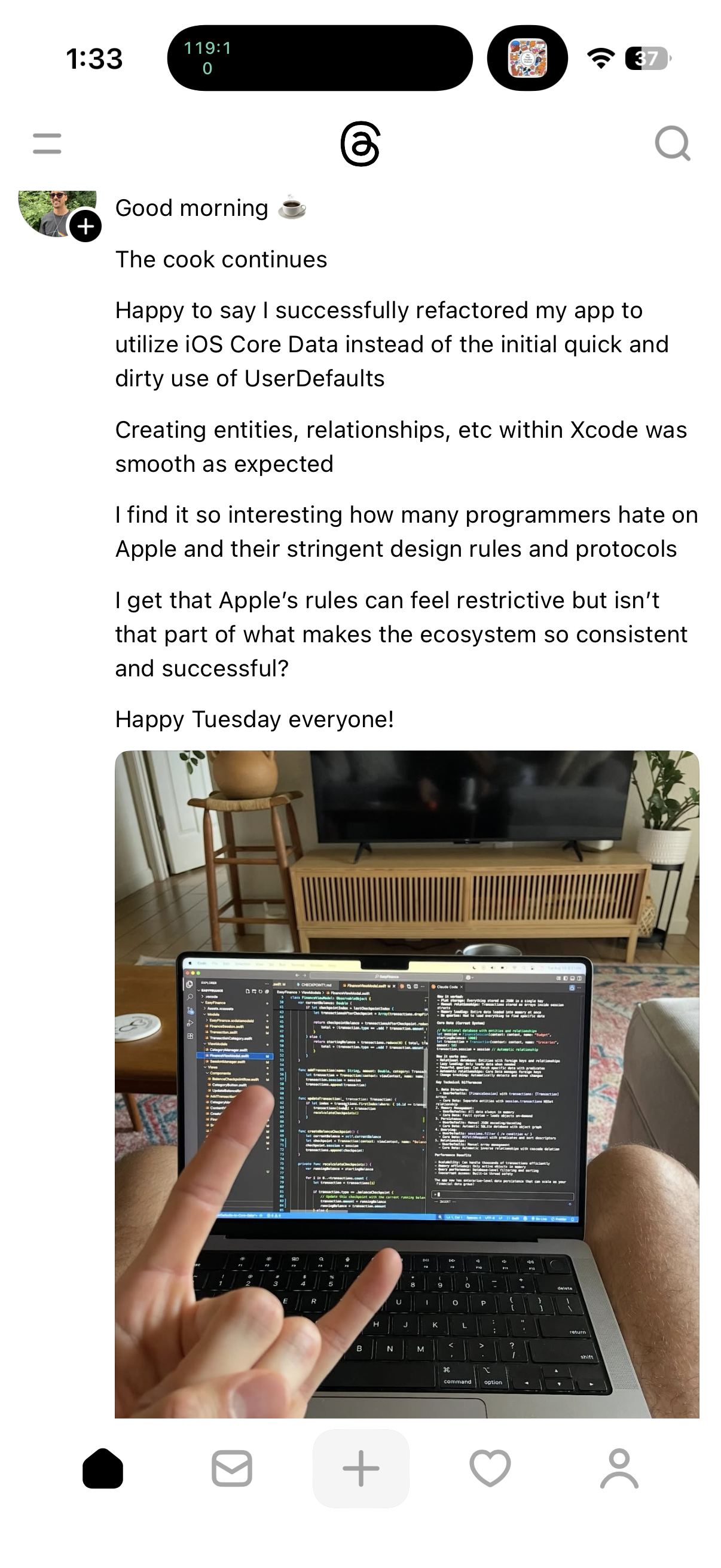
• Screenshots of progress/results
• Code examples or architectural diagrams
• Performance metrics or measurable improvements
4. Broader Communication Principles
The "Learning in Public" Framework
This approach, popularized by Shawn Wang, involves:
• Document the Journey: Share the learning process, not just outcomes
• Teach What You Learn: Explain concepts as you understand them
• Build in the Open: Show work-in-progress, not just polished results
• Connect the Dots: Relate your specific work to broader industry trends
Technical Storytelling Best Practices
1. Problem-Solution Arc
• Set up the challenge or goal
• Describe the approach taken
• Show the resolution or progress made
• Reflect on lessons learned
2. Context-Rich Communication
• Explain why the work matters
• Connect to larger architectural or business goals
• Reference industry standards or best practices
3. Community Value Creation
• Share reusable insights or patterns
• Point to helpful resources discovered
• Ask questions that invite expert input
Generalized Framework for Any Technical Domain
Opening Formula
[Achievement/Milestone] + [Brief Context] + [Why It Matters]
Body Structure
1. The Challenge: What problem were you solving?
2. The Approach: What strategy or methodology did you use?
3. The Implementation: Key technical decisions and trade-offs
4. The Outcome: Measurable results or improvements
5. The Learning: Insights that others can apply
Engagement Drivers
Curiosity Gaps
• Hint at interesting problems or solutions
• Use specific but accessible technical language
• Reference well-known tools or frameworks
Social Proof Elements
• Mention respected practices or patterns
• Reference authoritative sources
• Show alignment with community standards
Practical Value
• Include actionable insights
• Share useful resources or tools
• Provide specific examples others can adapt
Application Across Domains
Software Development
• Architecture decisions and refactoring outcomes
• Performance optimization results
• New technology adoption experiences
• Problem-solving methodologies
Data Science/Analytics
• Model development and validation processes
• Data pipeline improvements
• Analytical insights and methodologies
• Tool evaluation and selection
DevOps/Infrastructure
• Deployment pipeline enhancements
• Infrastructure optimization results
• Security implementation experiences
• Monitoring and observability improvements
Product Development
• Feature development journeys
• User research insights
• A/B testing results and learnings
• Cross-functional collaboration experiences
Key Success Metrics
Engagement Indicators
• Comments with follow-up questions
• Shares with added context
• Requests for more technical details
• Mentions in subsequent discussions
Value Creation Measures
• Others trying similar approaches
• References in other technical discussions
• Requests for collaboration or consultation
• Building reputation as a thoughtful technical communicator
Common Pitfalls to Avoid
1. Over-Technical Jargon: Balance expertise with accessibility
2. Humble Bragging: Focus on learning and value creation over self-promotion
3. Missing Context: Always explain why the work matters
4. No Call to Action: End with questions or requests for input
5. Perfectionism: Share works-in-progress, not just polished outcomes
References and Further Reading
• "Learning in Public" by Shawn Wang: Foundational framework for technical communication
• "The Pragmatic Programmer" by Hunt & Thomas: Principles of effective technical communication
• "Made to Stick" by Heath & Heath: Why some ideas survive and others die
• "Building a StoryBrand" by Donald Miller: Narrative structure for clear communication